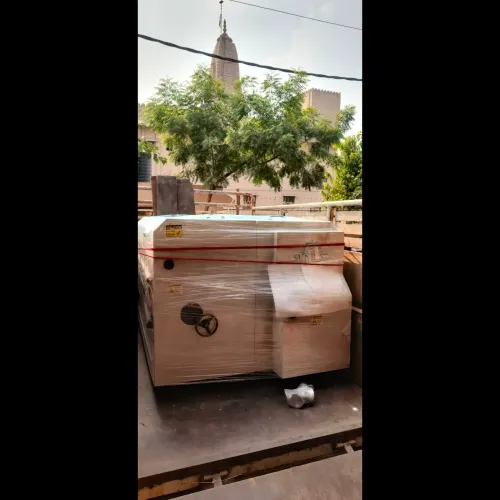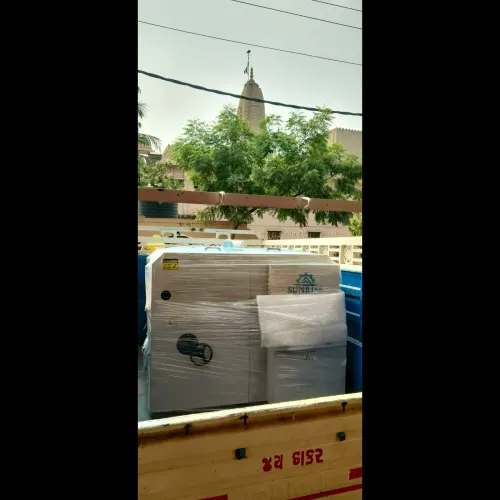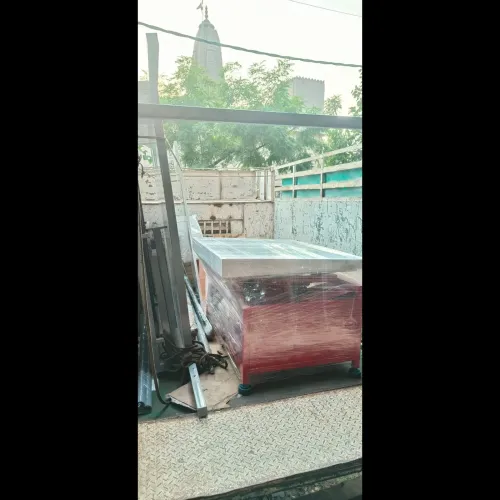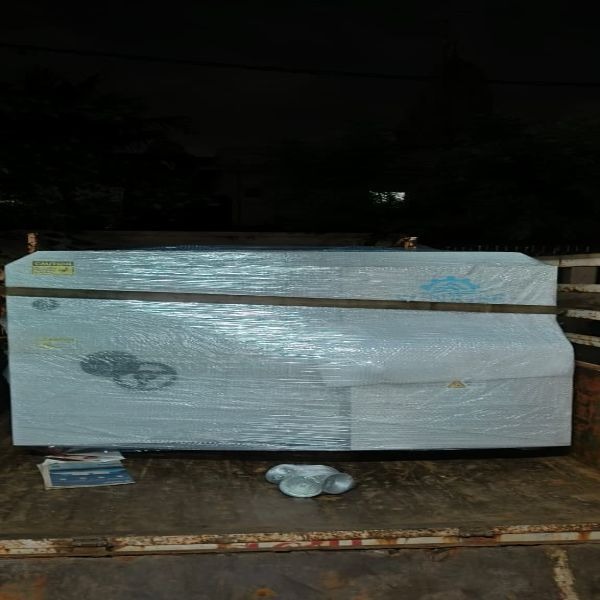
A fabric fusing machine is a critical piece of
industrial garment machinery used to bond an interlining (a supportive fabric
coated with a heat-activated adhesive) to the base garment fabric.
By applying a precise combination of heat,
pressure, and time, the machine melts the adhesive on the interlining,
fusing the two layers together seamlessly.
Key Functions & Benefits
- Reinforcement
& Structure: It provides stability,
strength, and body to specific garment parts (like collars, cuffs, lapels,
and waistbands) without making the fabric overly rigid.
- Shape
Retention: It ensures that garments
maintain their designed shape, crispness, and structure even after
repeated wearing and laundering.
- Crease
& Wrinkle Resistance: Fused components are
much more resilient against wrinkling, giving the finished garment a
high-end, professional look.
- Efficient
Production: Compared to manual
ironing, a continuous conveyor-belt fusing machine ensures uniform bonding
quality and high-speed throughput for industrial manufacturing.
Key Functions & Benefits
- Reinforcement
& Structure: It provides stability,
strength, and body to specific garment parts (like collars, cuffs, lapels,
and waistbands) without making the fabric overly rigid.
- Shape
Retention: It ensures that garments
maintain their designed shape, crispness, and structure even after
repeated wearing and laundering.
- Crease
& Wrinkle Resistance: Fused components are
much more resilient against wrinkling, giving the finished garment a
high-end, professional look.
- Efficient
Production: Compared to manual
ironing, a continuous conveyor-belt fusing machine ensures uniform bonding
quality and high-speed throughput for industrial manufacturing.
Application of a 9-Heater Fusing Machine
A 9-heater fusing machine (often featuring
extended heating zones, such as an upper and lower matrix of heaters) is
engineered for high-performance, specialized, or heavy-duty industrial
applications. Having 9 heating elements allows for incredibly precise,
multi-stage temperature control and high thermal efficiency.
1. High-Speed, Continuous Production
Because it features 9 heaters, the machine can
distribute thermal energy over a longer heating zone. This allows the conveyor
belt to run at much faster speeds without risking incomplete adhesive
melting. As the fabric passes through, it undergoes a gradual pre-heating,
peak-fusing, and stabilizing process, making it ideal for high-volume garment
factories.
2. Deep Penetration for Heavy or Multi-Layer Fabrics
Standard fusing machines can struggle to thoroughly
heat heavy or dense fabrics. A 9-heater configuration provides the deep,
sustained thermal penetration required for heavy-duty garments:
- Suits
and Blazers: For fusing heavy canvas
or thick interlinings to wool and synthetic blends.
- Coats
and Denim: Ideal for heavy winter
outerwear and structured denim jackets.
- Leather
and Suede: Used in specialized
applications where uniform, controlled heat is needed to bond linings
without damaging delicate face fabrics.
3. Specialized & Delicate Synthetics (Precise
Temperature Zones)
With 9 individual heaters, the machine can be
programmed to have gradual temperature gradients. For example, the first
few heaters pre-heat the fabric gently, the middle heaters hit the exact
melting point of the adhesive, and the final heaters maintain the temperature
just long enough for the pressure rollers to lock the bond.
- This
prevents thermal shock or fabric shrinkage in sensitive synthetic
materials, sportswear polyesters, and ultra-fine silks.
A 9-Heater Fusing Machine is widely used in the
garment industry to fuse interlining with fabric using controlled heat,
pressure, and conveyor speed. Its key functions include:
- Uniform
Heat Distribution
- The
nine heating zones provide consistent and even temperature across the
fabric.
- Ensures
high-quality bonding without hot or cold spots.
- Strong
Fabric Bonding
- Fuses
interlining firmly to the main fabric using heat and pressure.
- Improves
garment shape, stiffness, and durability.
- Temperature
Control
- Each
heater zone can maintain the required temperature for different fabric
types.
- Prevents
fabric damage caused by overheating.
- Pressure
Application
- Applies
uniform pressure through rollers or belts.
- Ensures
proper adhesion between the fabric and interlining.
- Speed
Adjustment
- Adjustable
conveyor belt speed allows different fusing times for various materials.
- Helps
achieve the best bonding quality.
- High
Production Capacity
- Suitable
for continuous industrial garment production.
- Increases
productivity while maintaining consistent quality.
- Energy
Efficiency
- Multiple
heaters maintain stable temperatures efficiently, reducing heat loss and
improving energy use.
- Versatility
- Can
fuse woven, non-woven, and knitted interlinings with a wide range of
fabrics such as cotton, polyester, wool, and blends.