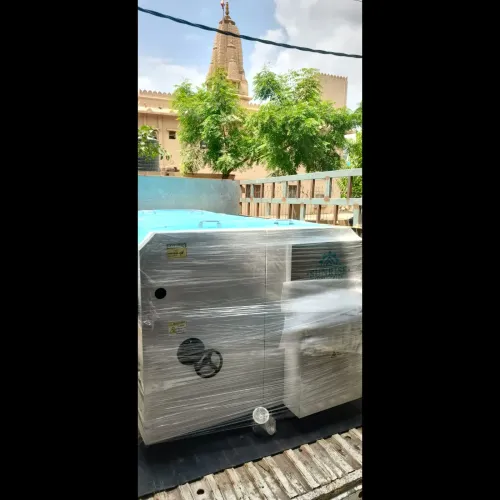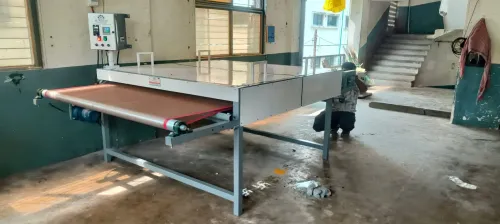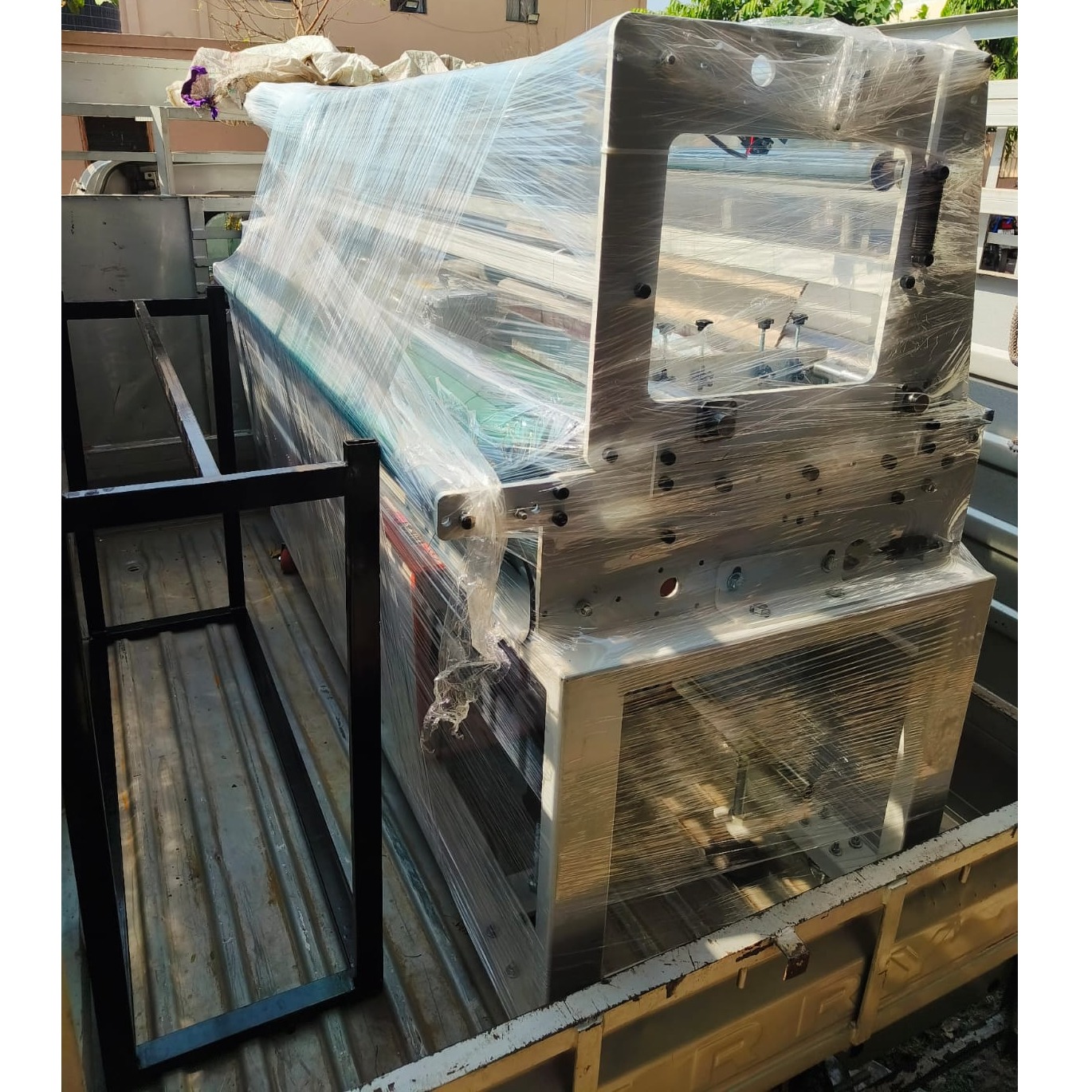
- The key feature of a paperless rhinestone machine is its ability to create rhinestone designs without the need for physical templates, such as paper stencils.
- These machines use advanced technology (like computer software and digital cutting mechanisms) to design and cut precise patterns directly onto fabric or other materials.
Some notable features include:
Digital Design Capability: Users can create or import
rhinestone patterns digitally via software, eliminating the need for paper or
physical templates.
Automatic Placement: The machine precisely places
rhinestones onto a surface, ensuring accuracy and consistency in design.
Efficiency: By removing paper from the process, it saves
time, reduces waste, and allows for faster production of rhinestone designs.
Versatility: Paperless machines can work with a variety of
substrates (fabric, apparel, accessories) and can create custom rhinestone
placements in intricate patterns.
This streamlined process is ideal for businesses that need
to produce rhinestone-studded designs in high volume, such as for custom
apparel or promotional items.
Advantages of a paperless rhinestone transfer
machine:
Faster Production:
Eliminates the need for manual template cutting and setup.
High Precision:
Provides accurate placement of rhinestones for consistent designs.
Cost-Effective:
Reduces material waste (no paper, adhesives, etc.) and lowers consumable costs.
Customization Flexibility:
Easily create and modify custom designs without restrictions.
Eco-Friendly: Minimizes paper
usage, contributing to less environmental impact.
Streamlined Workflow:
Simplifies the design-to-production process with digital integration.
Quality Control:
Ensures higher-quality, error-free designs with automated processes.
Scalability: Suitable for both
small batch custom orders and high-volume production.
Less Waste: Precise rhinestone
placement reduces the chance of mistakes and waste.
User-Friendly: Easy-to-use software
for fast design adjustments and machine control