- Design Creation: Users create or import rhinestone designs
using specialized software. These designs specify the exact placement and size
of each rhinestone.
- Rhinestone Feeding: The machine is equipped with hoppers
or feeders that hold different sizes and colors of rhinestones.
- Placement Mechanism: The machine uses a vacuum or
mechanical picker to pick up rhinestones from the feeder. Advanced sensors and
precision motors ensure accurate placement of each rhinestone according to the
design.
- Direct Application:
Instead of using transfer paper, the machine directly
applies rhinestones onto the adhesive surface of the fabric or a transfer film
that will later be heat-pressed onto the fabric. The direct application is
often controlled by a combination of air pressure, heat, and adhesive.
Heat Pressing:
Once the rhinestones are applied to the adhesive surface, a heat press is used to permanently fix the rhinestones to the fabric. The heat activates the adhesive on the rhinestones, bonding them to the fabric.
Benefits
Efficiency: Speeds up the rhinestone application process
significantly compared to manual methods.
Accuracy: High precision in placing rhinestones, reducing
errors and ensuring consistency in designs.
Cost-Effective: Eliminates the need for transfer paper,
reducing material costs and waste.
Versatility: Can handle a variety of rhinestone sizes,
shapes, and colors, allowing for intricate and customized designs.
User-Friendly: Modern machines come with intuitive software interfaces, making it easy for users to create and modify designs.
Applications
Fashion and Apparel: Used to decorate clothing, especially
t-shirts, dresses, and jeans.
Accessories: Applied to hats, bags, and shoes.
Custom Merchandise: Ideal for creating custom promotional
items and personalized gifts.
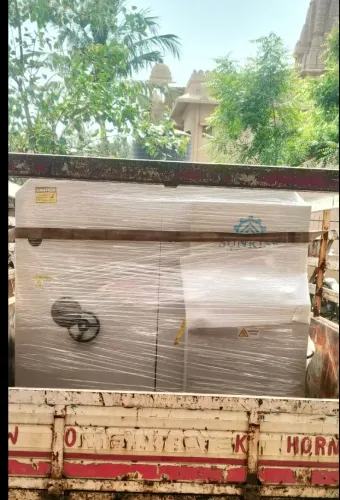
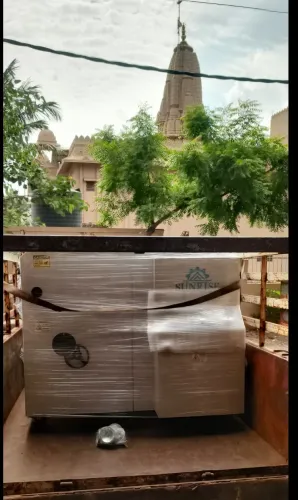
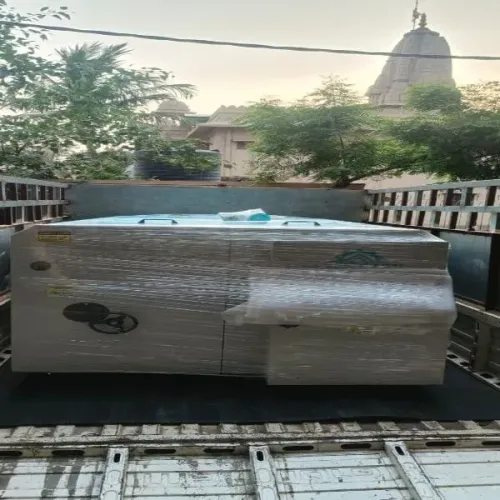
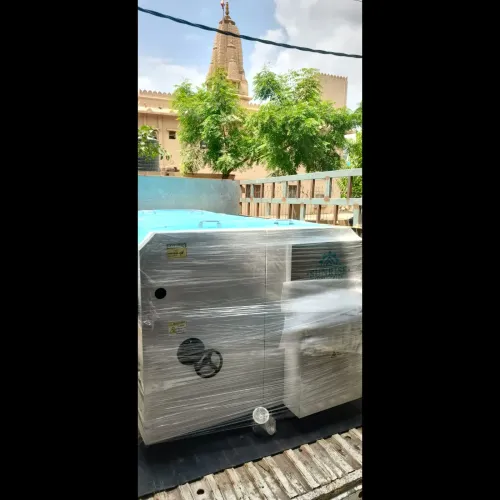
A roll-to-roll paperless rhinestone transfer machine
revolutionizes the way rhinestones are applied to fabrics. By automating the
process and eliminating the need for transfer paper, these machines offer
significant improvements in efficiency, precision, and cost-effectiveness. They
are particularly valuable for high-volume textile production, enabling
manufacturers to produce intricate and customized designs on a large scale with
minimal waste and labor.