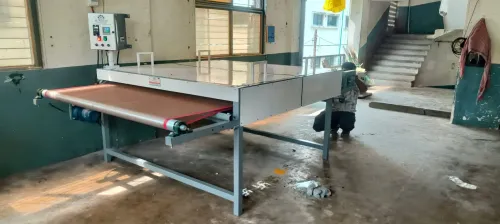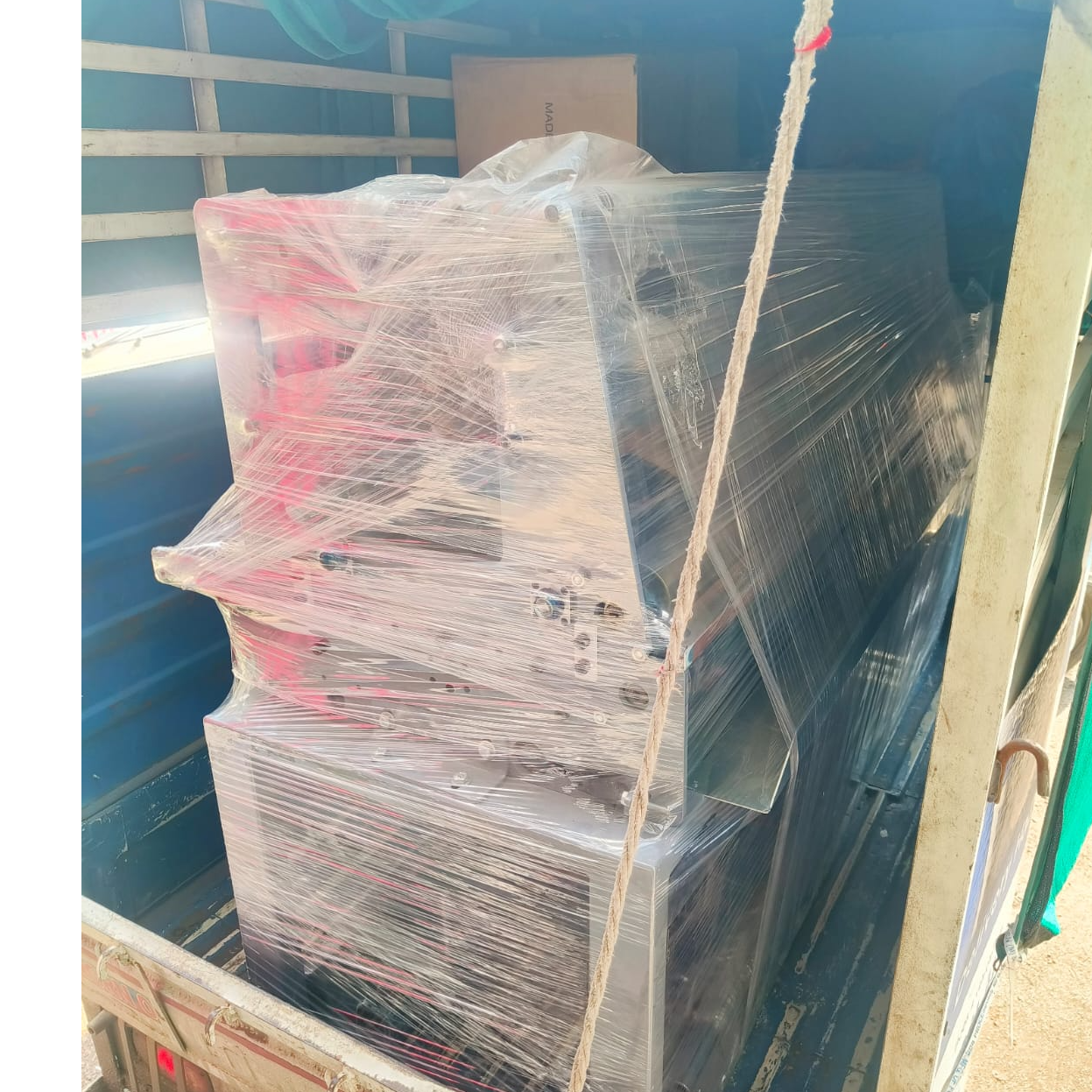
The Paperless Rhinestone Transfer Machine is widely used across various industries, particularly in textile and fashion manufacturing. Here are some examples:
1. Textile & Apparel Industry
Used for saree production, especially in India, where intricate rhinestone designs are popular.
Ideal for roll-to-roll fabric processing, ensuring high-speed production for bulk orders.
When choosing a Paperless Rhinestone Transfer Machine, here are the key features to consider:
1. Production Efficiency
High-speed processing: Look for machines that can handle 3000-5000 meters in 10 hours.
Roll-to-roll capability: Ideal for bulk textile production.
2. Automation & Precision
Fully automatic operation: Reduces labor costs and ensures consistent rhinestone placement.
Adjustable fusing settings: Allows customization for different fabric types.
3. Cost & Maintenance
Low power consumption: Machines typically use 600W to 1kW, making them energy-efficient.
Minimal maintenance: Reduces long-term operational costs.
4. Space & Design
Compact size: Machines are designed to occupy less space while maintaining high output.
Multi-color rhinestone support: Some models allow single or multi-color rhinestone transfers.
5. Eco-Friendly & Sustainability
No transfer paper required: Saves costs and reduces environmental impact.
Less material waste: Makes production more sustainable.
Common in custom apparel brands that require precise rhinestone placement on garments.
2. Fashion & Accessories
Employed in boutique fashion houses for designing embellished dresses, tops, and accessories.
Used in handbag and footwear manufacturing to add rhinestone decorations.
3. Home Décor & Upholstery
Applied in curtain and upholstery fabric production, enhancing decorative textiles.
Used for bed linens and cushion covers with rhinestone embellishments.
4. Event & Costume Design
Popular in dance costume manufacturing, where rhinestones are essential for stage outfits.
Used in wedding dress production, adding intricate rhinestone patterns.
5. Industrial Textile Processing
Found in large-scale textile factories that produce embellished fabrics for global markets.
Utilized in automated production lines to reduce labor costs and increase efficiency.