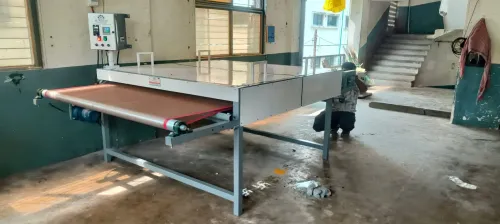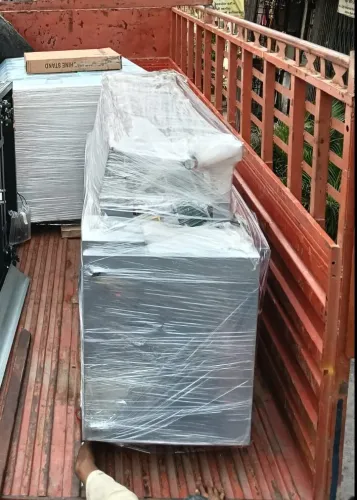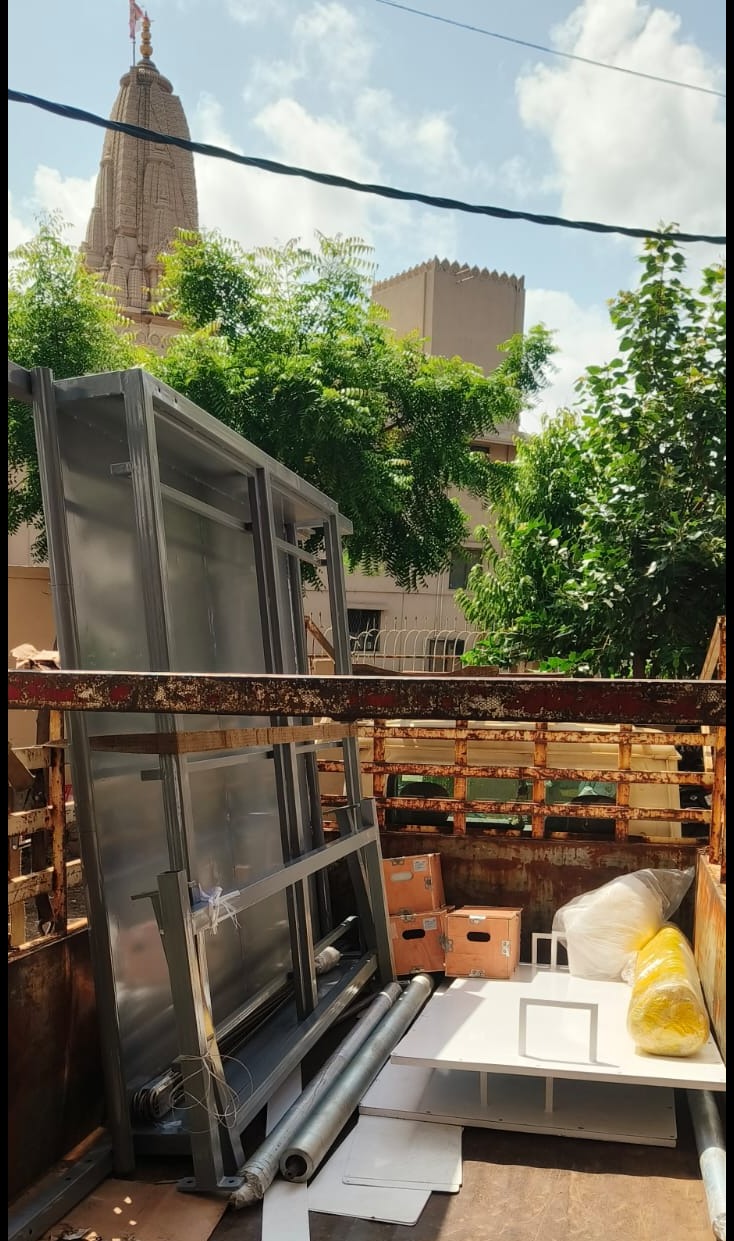
A Sequence Bhungli Machine (also known in the textile and embroidery industry as a Sequence Folding Machine or Sequence-to-Beads Converter Machine) is a specialized finishing machine designed to convert flat embroidered sequins (sitara) into 3D cylindrical pipe or bugle beads (bhungli / nalki).
Operating on thermal and mechanical principles similar to a continuous fusing press, it transforms cost-effective flat sequin embroidery into the rich look of hand-stitched bugle bead embellishment.
Core Functions & How It Works
Traditional bugle beads (bhungli/glass pipe beads) are difficult and slow to stitch on automatic multi-head embroidery machines because glass can shatter needles. The Bhungli machine solves this by splitting the process into two stages:
Flat Sequin Embroidery (Stage 1): The garment (saree, lehenga panel, or fabric roll) is first stitched on a standard high-speed computerized embroidery machine using flat, heat-responsive sequin strips programmed in a specific stitch pattern.
Thermal Activation (Stage 2): The embroidered fabric is fed through the Sequence Bhungli Machine.
Equipped with multi-zone heating elements (typically 8 to 10 heating tubes) and temperature controls up to 200°C–220°C, the machine applies calibrated heat to soften the thermoplastic sequin material without burning the base fabric. Roller Folding & Curling: As the softened sequins pass beneath precision-calibrated pressure rollers and guide plates, the flat circular/oval sequins fold inward and roll tightly, forming a permanent, hollow cylindrical tube (bhungli).
Cooling & Shape Setting: An inline cooling zone or ambient exit roller immediately sets the folded shape so the bead retains its 3D round/pipe profile permanently through washing and handling.
Key Advantages
High Production Speed: Standard embroidery machines can run flat sequins at speeds of 800 to 1,000+ stitches per minute (SPM) without slowing down.
Converting them post-embroidery takes only minutes per saree roll. Elimination of Needle Breakage: Running real glass bugle beads through mechanical embroidery feeders leads to high needle deflection, thread fraying, and needle breakage. Sewing flat sequins first avoids needle collision entirely.
Dramatic Cost Reduction: Real glass bugle bead work (especially manual aari or hand zardozi) is labor-intensive and expensive. The sequence-to-bhungli method cuts production costs by over 60% to 75% while delivering a comparable visual effect.
Lightweight Garments: Sarees, lehengas, and gowns covered in real glass bhungli are heavy and stiff. Folded metallic sequin beads offer the same lustrous, reflective 3D finish at roughly 20% to 30% of the weight, greatly improving wearer comfort and fabric drape.
Thread Safety (No Cutting): Glass bugle beads often have sharp, abrasive cut edges that eventually slice through the holding thread during wear or washing. Heat-folded sequin beads have smooth, rounded edges that do not cut the embroidery thread.
Continuous Yardage Processing: Available in roll-to-roll widths (typically 48 to 64 inches), allowing entire continuous rolls of saree fabric, dupattas, and net/georgette yardage to be processed seamlessly.
Primary Applications
Surat & Ethnic Garment Manufacturing: Heavily used for designer sarees, bridal lehenga fabrics, dupattas, and dress materials.
Lace & Border Trims: Adding dimensional bugle bead borders onto chemical lace and embroidered ribbons.
Western Evening Wear: Creating textured, shimmering bugle-line patterns on gowns, corsets, and cocktail dresses.
Functions
Heat Softening: Applies controlled thermal heat (180°C–220°C) to soften flat thermoplastic sequins (sitara) stitched on fabric.
Mechanical Folding: Uses precision guide rollers to fold and curl flat sequins inward into hollow, 3D cylindrical tubes (bhungli/nalki).
Shape Setting: Rapidly stabilizes and locks the rolled bugle bead shape using inline cooling rollers.
Continuous Processing: Feeds full fabric rolls, saree yardage, and embroidered lace panels smoothly from roll to roll.
Advantages
High Production Speed: Lets embroidery machines run flat sequins at 800–1000+ RPM without the slowdowns typical of real bugle beading.
Zero Needle Breakage: Eliminates needle strikes, thread fraying, and machine jams caused by real glass beads during stitching.
Major Cost Savings: Reduces production and labor costs by 60%–75% compared to manual aari or hand glass-bead work.
Lightweight Garment: Produces the identical 3D look of glass nalki at roughly 70% less weight, keeping sarees and lehengas comfortable to wear.
No Thread Cutting: Folded sequin edges are smooth, preventing the sharp glass edges that often slice holding threads over time.
Consistent Finish: Delivers uniform roll size, bead angle, and shine across the entire length of the fabric.