Heat Transfer Machine
INR 25000
 Chat with us
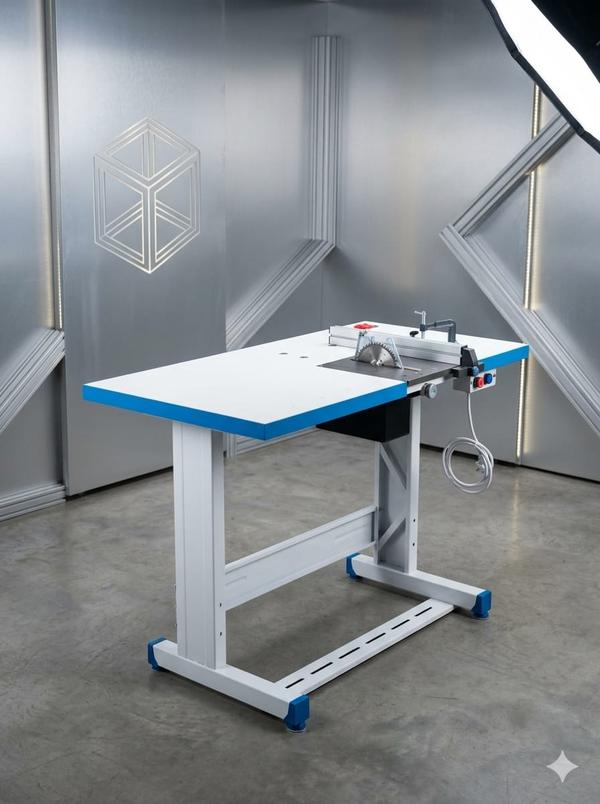
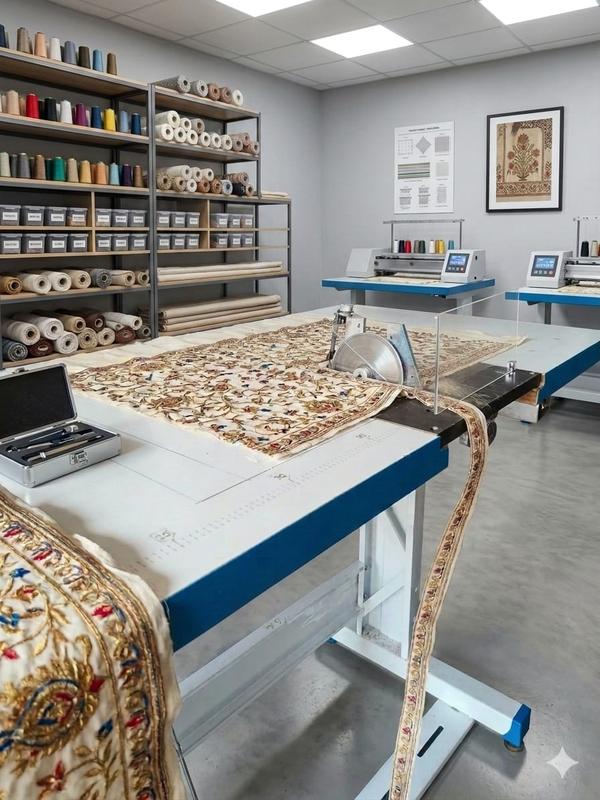
Reniya Cutting Machine is a specialized, compact textile finishing tool used primarily in garment and saree production to trim excess fabric from embroidered borders, laces, and scalloped edges. The “4-inch“ specification refers to the blade diameter, which provides the perfect balance of precision and control for navigating tight curves without damaging the intricate embroidery. In the garment and textile industry (particularly in major hubs like Surat), the Reniya Cutting Machine—also referred to locally as a Raniya, Scalping, or Scallop Pull machine—is a highly specialized tool designed specifically for processing decorative borders, lace, sarees, and dupattas. A 4-inch Reniya Cutting Machine features a smaller, highly manoeuvrable blade assembly, making it ideal for precision detail work. Functions of Reniya Cutting Machine The primary purpose of this machine is to trim away excess fabric from intricate, embroidered, or woven borders. Its main functions include: • Fabric Border and Edge Trimming: It cleanly slices off the raw selvage or excess base fabric running along the edges of a fabric roll, lace strip, or saree border. • Scallop & Cutwork Detailing: Thanks to its compact 4-inch blade size, it is used to track and trim along curved, wavy, or “scalloped“ embroidery designs (cutwork) on dupattas and sarees without slicing into the actual embroidery stitches. • Separating Ribbon and Lace Bands: It functions as an end or strip cutter to separate multiple bands of narrow fabrics or laces woven onto a single wide base fabric. Key Advantages of the 4-Inch Model Investing in or utilizing a 4-inch variant offers specific operational and economic advantages over larger (6-inch or 8-inch) industrial straight/round knives: 1. High Precision on Intricate Curves Larger blades struggle with tight angles and delicate wave patterns. The smaller 4-inch blade diameter offers excellent manoeuvrability, allowing operators to follow complex embroidered scallop outlines with high accuracy, reducing fabric damage and waste. 2. Lightweight and Ergonomic Handling Because the motor and blade housing are smaller, the machine is noticeably lighter than its heavy-duty counterparts. This significantly reduces operator fatigue during long shifts, maintaining consistent cutting quality from morning to night. 3. Clean, Burn-Free Edges Many modern Reniya machines feature integrated heating attachments or micro-blade mechanics. When processing synthetic fabrics like polyester, nylon, satin, or viscose (common in ethnic wear), it trims and seals the edges simultaneously, completely eliminating fraying. 4. High Production Efficiency Manual thread or border trimming with scissors is incredibly slow and labour-intensive. A semi-automatic or manual Reniya machine can process thousands of meters of fabric borders per day, massively accelerating your finishing department's output. 5. Cost-Effective and Low Maintenance The 4-inch model is a highly accessible entry point for garment factories and job-work units. Replacement 4-inch blades are inexpensive, and the machine consumes less power while occupying minimal table space. Key Advantages • High Precision: The smaller 4-inch blade allows operators to easily navigate intricate curves, wavy shapes, and scalloped embroidery outlines. • Fray Prevention: Cleanly cuts and finishes edges on synthetic fabrics (like polyester and georgette), preventing thread unravelling. • Low Operator Fatigue: Lightweight, ergonomic design reduces hand and wrist strain during long shifts compared to heavier 6- or 8-inch cutters. • High Productivity: Replaces slow manual scissor work, allowing finishing units to process hundreds of meters of fabric borders rapidly. • Cost-Effective: Low maintenance, affordable replacement blades, and minimal power consumption make it highly economical for job-work units.