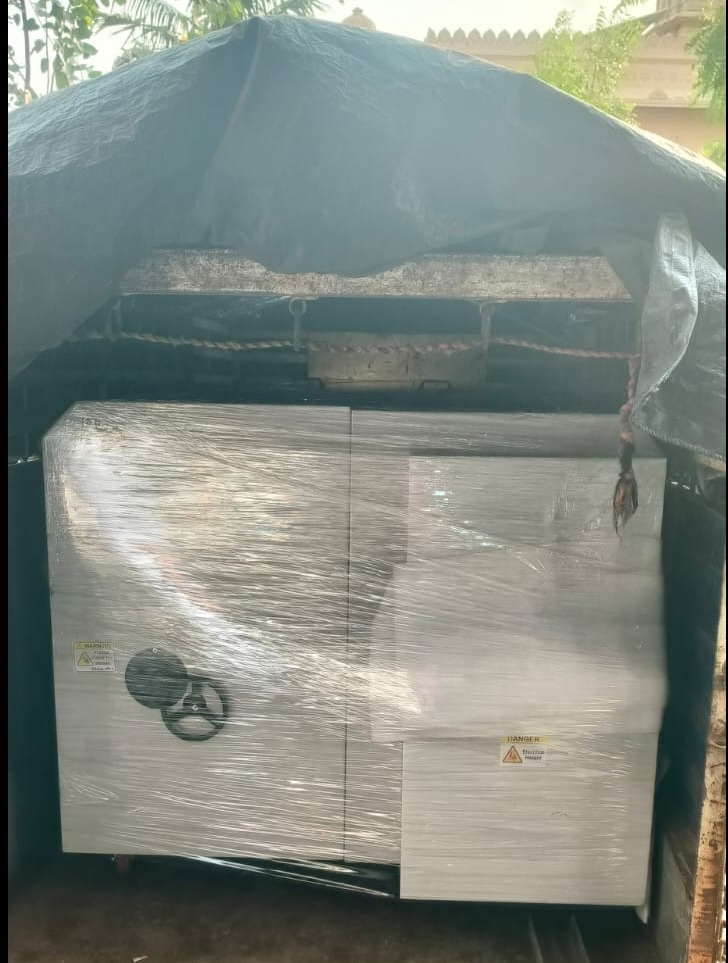
1. Primary Functions
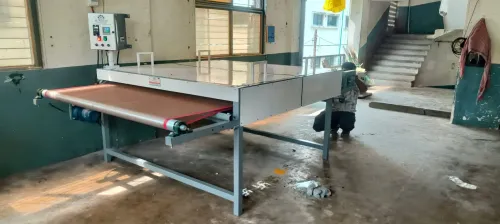
The core function of a fusing machine is to create a seamless, strong bond between two fabric layers. It achieves this by carefully controlling three critical variables:
Heat Application: The machine heats the fabric and interlining to a specific temperature, melting the resin or adhesive dots on the interlining without damaging the base fabric.
Pressure Delivery: It applies uniform mechanical pressure (usually via rollers or plates) to force the liquefied adhesive into the fibers of the base fabric.
Time Control (Dwell Time): It regulates exactly how long the fabric spends under heat and pressure to ensure a complete bond without scorching the material.
2. Key Applications in Apparel
Fusing machines are used anywhere a garment requires extra structure, crispness, or strength. Common application areas include:
Shirts: Used extensively on collars, cuffs, and button plackets to keep them stiff, sharp, and wrinkle-resistant even after multiple washes.
Suits and Coats: Applied to the jackets' lapels, chests, and shoulders to provide structural integrity, drape, and form retention.
Trousers and Skirts: Used in waistbands to prevent stretching and sagging, and around pocket openings to prevent tearing.
Knitted Garments: Applied to seams or edges to stabilize stretchy fabrics and prevent them from warping during sewing.
Embroidery backing: Used to fuse stabilizers to fabrics before heavy embroidery work to avoid puckering.